


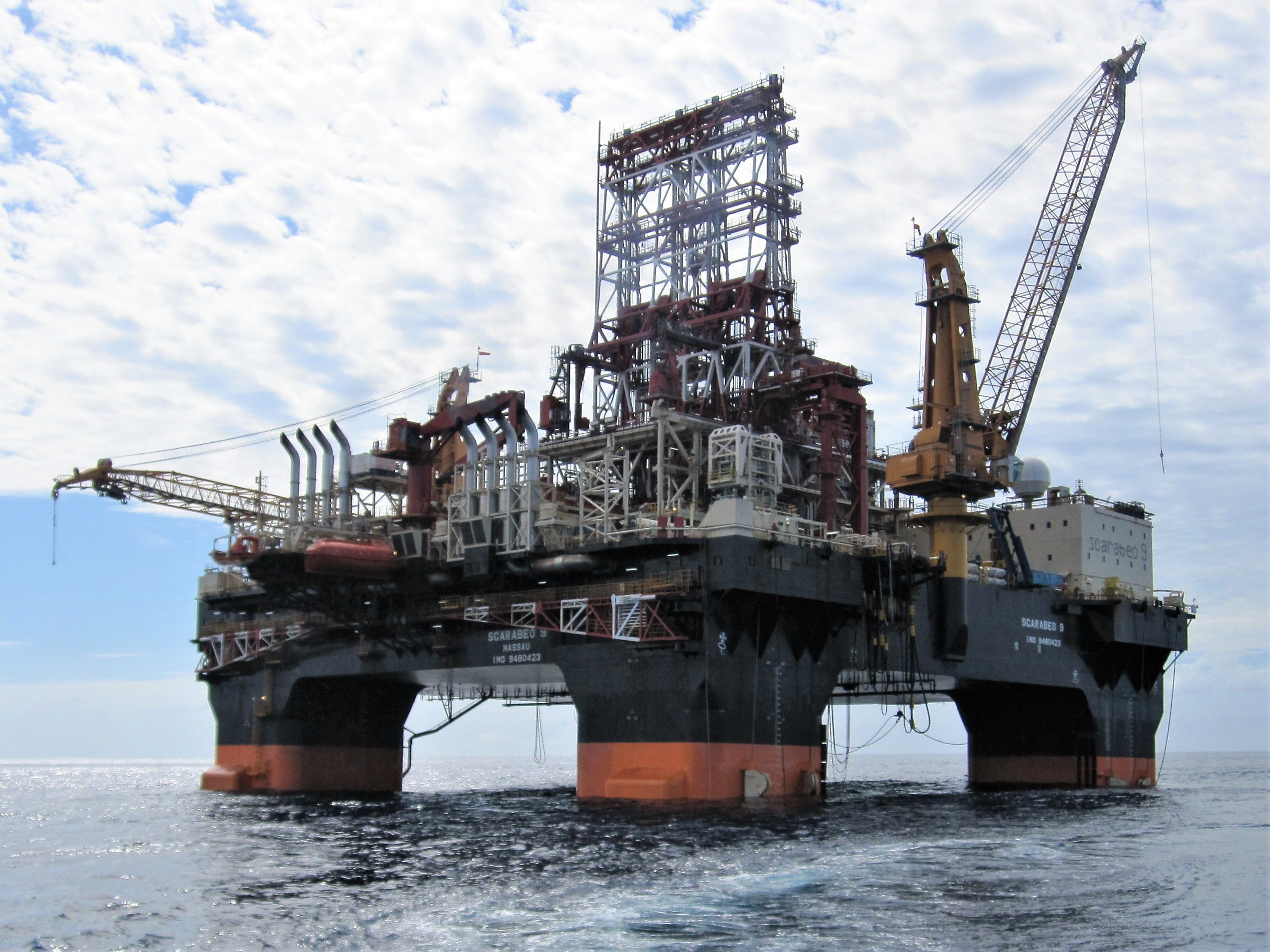
On October 12, the Cuban government unveiled new hydrocarbon regulations. Divided in two complementary decrees, the instrument fundamentally reforms the country’s oil and gas (O&G) activities and replaces the old 1938 and 1959 frameworks with a single regime covering the upstream, midstream, and downstream sectors of its petroleum industry.
Notably, the reform allows the Cuban private sector and foreign investors to enter exploration and production (E&P) activities, refining, transportation, and sale of petroleum products. [1][2] For decades, management of E&P was the sole privilege of CUPET, Cuba’s state-owned (SOE) oil company, either alone or alongside foreign partners.[3] CUPET was recently sanctioned by the United States. So why the sudden opening of such a closely guarded economic activity? A careful reading of the new regulations indicates that Havana is aggressively looking for capital, technology, and new partners that could restart a declining industry, but little else.
However, where Havana seeks to invite capital with its new reform, Washington already blocked the pathway through sanctions enforcement and judicial methods. Thus, the move to liberalize the sector comes late, and its short- and long-term outcomes are already predetermined.
An oil and gas boom in Cuba does not depend on the text of the new regulation released by Havana. Instead, it depends (1) on whether the U.S. judicial and sanctions framework allows the Cuban O&G industry to function, and (2) on whether Havana will ever let go of the controls its own regulations preserve.
The new points of access to Cuba’s E&P activities
The new framework gives foreign capital and the Cuban private sector two ways into E&P activities: (a) association with a Cuban state partner, and (b) a concession held alone.[4]
Association requires a Cuban-state counterparty, through a production-sharing contract.[5] That counterparty must be a “national public entity”, or a “commercial company” authorized by the government to act on its behalf, already carrying out petroleum activities when the regulations took effect, or another state enterprise the Council of Ministers authorizes for the purpose.[6] In other words, the law points to a joint contractual situation with the Cuban energy sector companies and its affiliates as main partners. The only Cuban SOE already performing E&P in Cuba is CUPET, and the commercial companies are those it controls, including sanctioned Comercial CUPET and ABAPET, or its ventures with foreign partners, including with Sherritt in Energas.[7][8][9][10] The latter company is currently embattled by a lawsuit under Title III of the Helms-Burton Act.
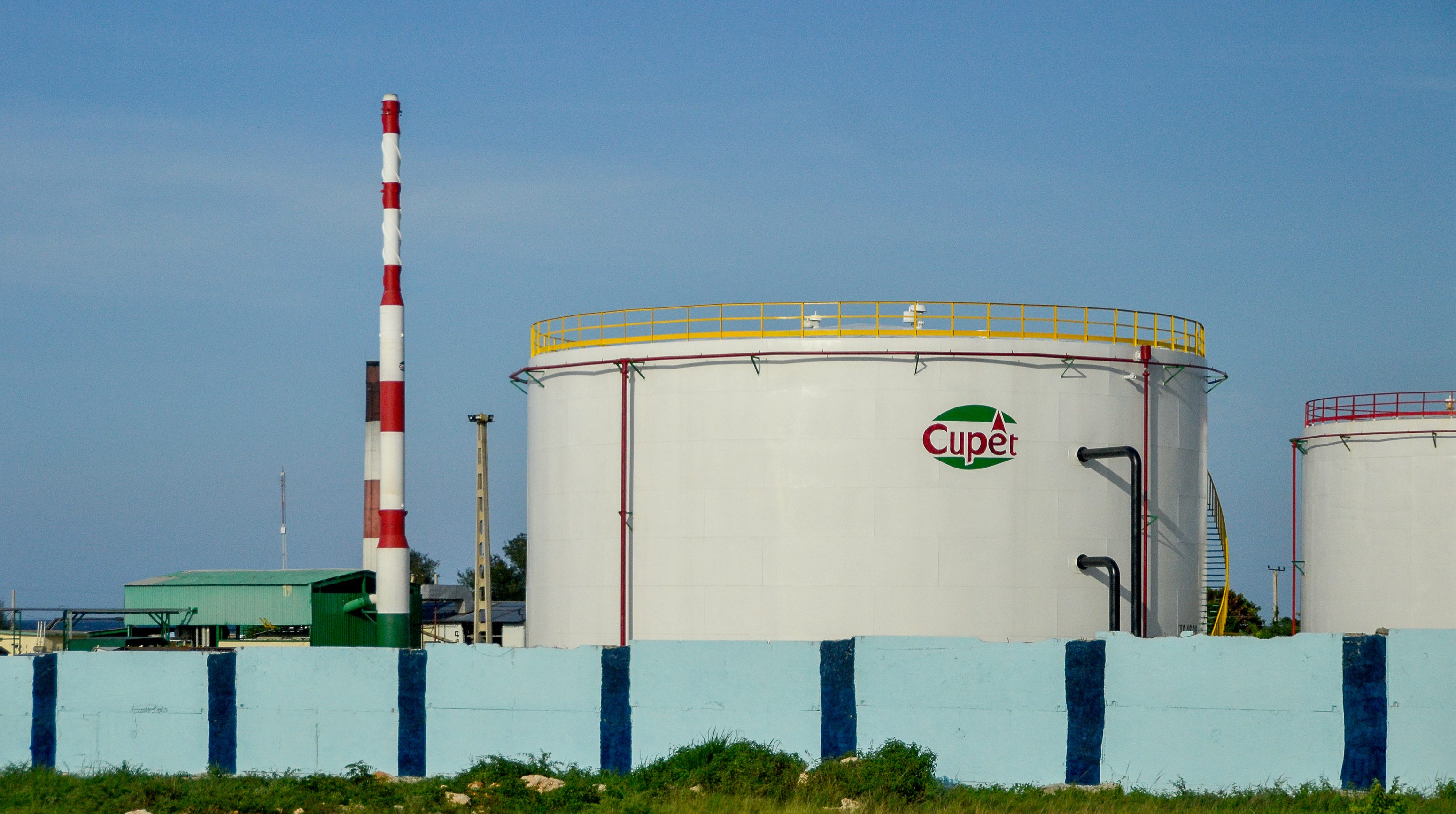
A concession does not require a Cuban-state partner.[11] The Council of Ministers grants it directly to the concessionaire, as an “administrative concession”, after approval by the Council of State. [12][13] For anyone doing the actual drilling, this is the path that, at least on paper, does not include associating with U.S. sanctioned CUPET.[14][15]
Either way, neither route escapes U.S. sanctions nor judicial enforcement. Under E.O. 14404, Cuba’s energy sector is constantly targeted by OFAC, while its assets are disputed in U.S. courts under Title III of Helms-Burton.
Therefore, investors interested in petroleum activities in Cuba face two questions: on the sanctions track, (a) is the Cuban-state counterparty, or whoever owns or controls it, designated or eligible to be designated?; and on the judicial track, (b) does the underlying land, plant, or concession trace to property “confiscated” from a U.S. national on or after January 1, 1959?
a. The sanctions track
On June 11, the Secretary of State designated CUPET under E.O. 14404 for operating in the energy sector of the Cuban economy, and OFAC added it to the SDN List the same day. On September 3, the State Department designated Comercial CUPET, which it described as the entity representing CUPET in “negotiations and joint ventures with foreign entities”. The same action designated ABAPET, the CUPET subsidiary that imports the “technological equipment, spare parts, specialized tools, and industrial inputs” required to “sustain Cuba’s energy sector.”
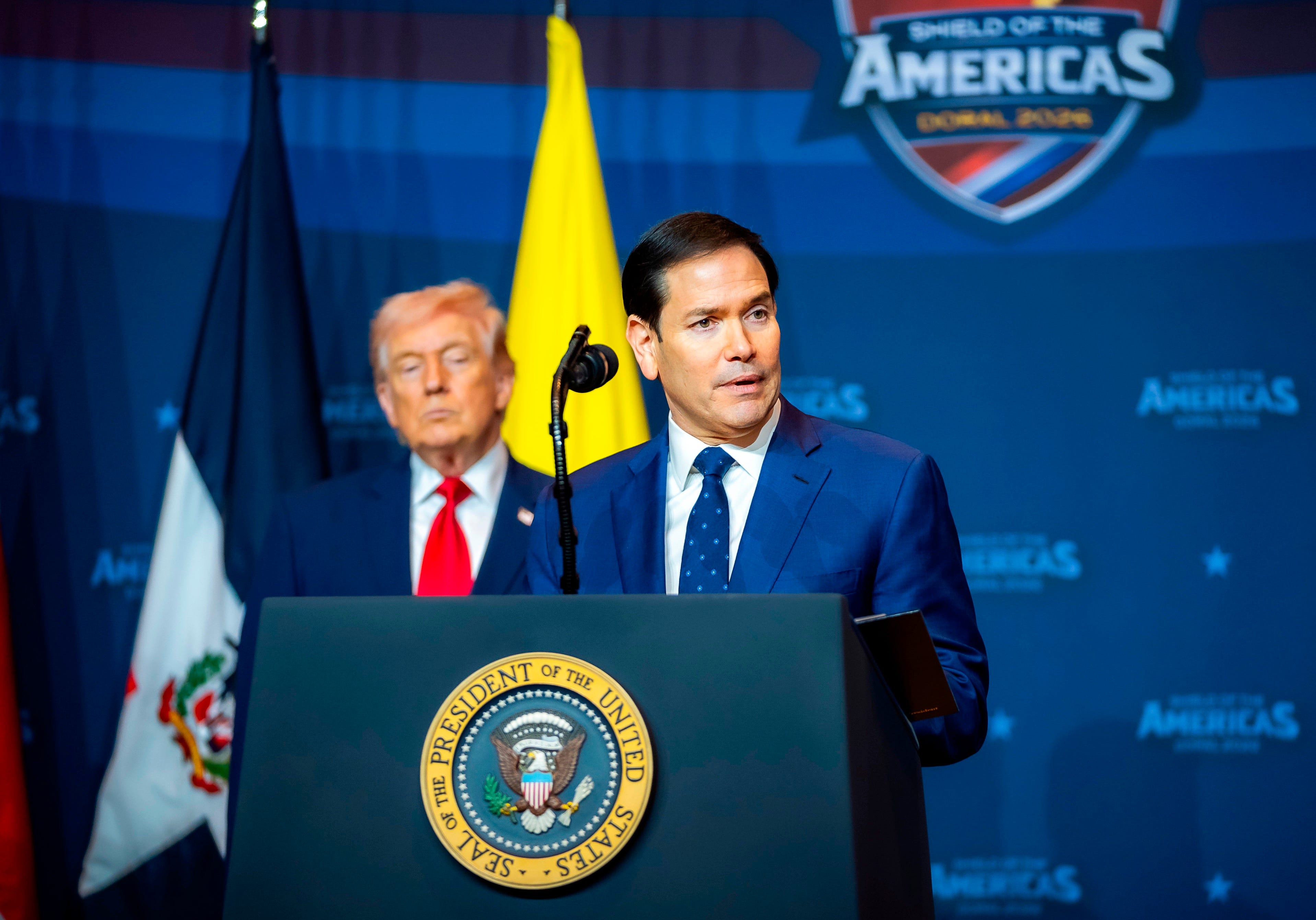
Sanctions under E.O. 14404 reach past ownership-related designations in the SDN List, and add control and specific sectors to the sanctionable conduct. The order covers any entity owned, controlled, or directed by a blocked person, and OFAC warns that such entities may be designated in their own right. Activity counts as well: any person that operates in the energy, defense, metals and mining, financial services, or security sector of the Cuban economy is eligible to become designated.
Thus, any potential partner in an association, domestic or foreign, would have to deal in some way with a sanctioned CUPET and its sanctioned subsidiaries: by contracting with CUPET itself, negotiating agreements with Comercial CUPET, importing inputs through ABAPET, or any combination of the three. Those three entities, however, do not capture the full extent of CUPET’s reach, which extends to the EPEP enterprises that do its drilling, the Ñico López (formerly Standard Oil) and Hermanos Díaz (formerly Texaco) refineries, and its stake in Energas, to name a few.[16]
The concession route does not avoid the problem either. The criterion used against CUPET, operating in the energy sector of the Cuban economy, attaches to the activity itself: a concessionaire that would somehow avoid dealings with CUPET would still operate in Cuba’s energy sector. Designation won’t follow automatically, but eligibility for it will.
b. The judicial track
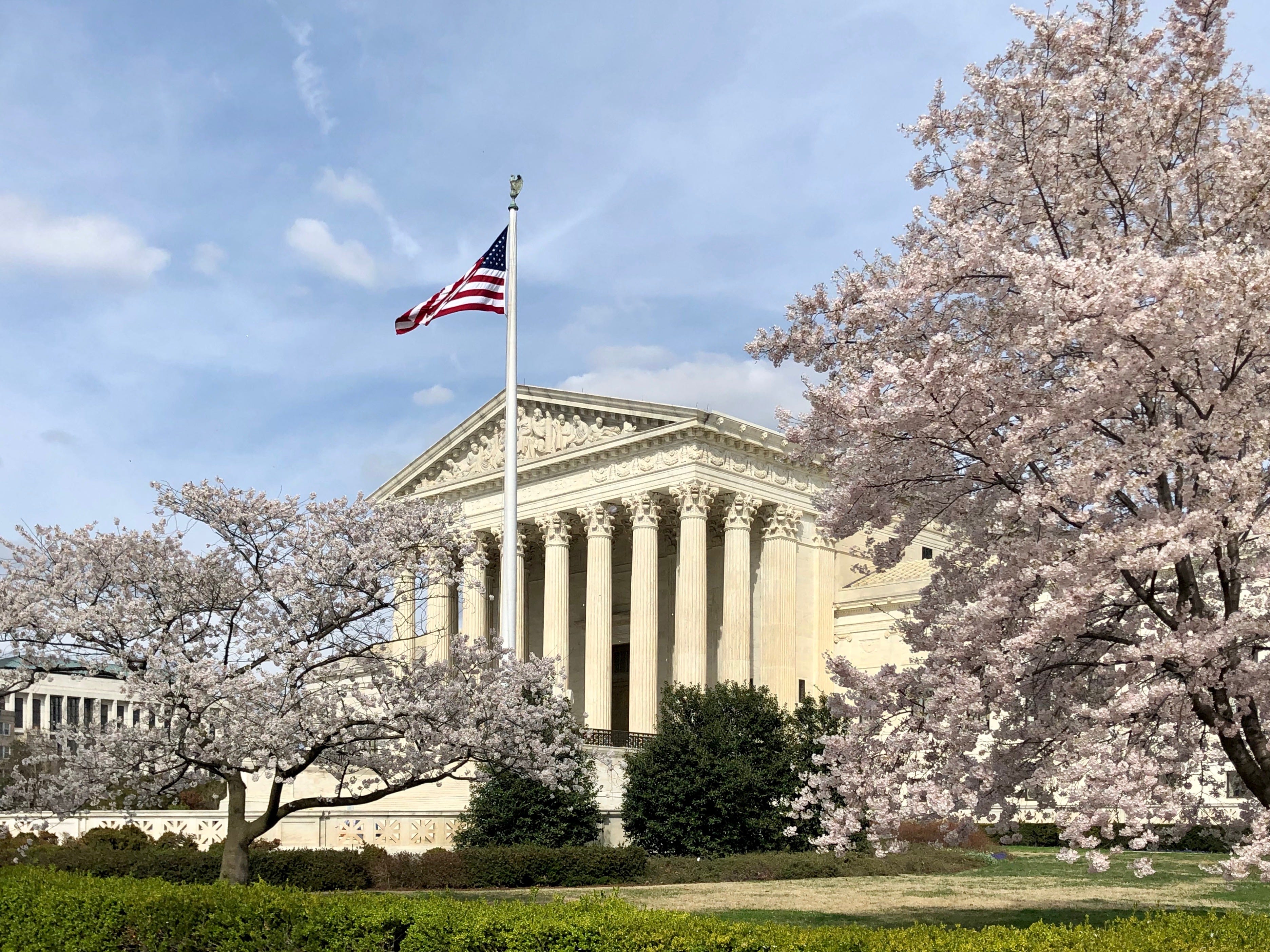
On June 23, the U.S. Supreme Court ruled 6–3 in favor of ExxonMobil that a plaintiff suing a “Cuban agency or instrumentality” under Title III of the Helms-Burton Act does not need to satisfy any Foreign Sovereign Immunities Act’s (FSIA) immunity exceptions. This means that U.S. companies can sue Cuban SOEs in U.S. courts for property confiscated since January 1, 1959, and Cuban SOEs cannot claim sovereign immunity.
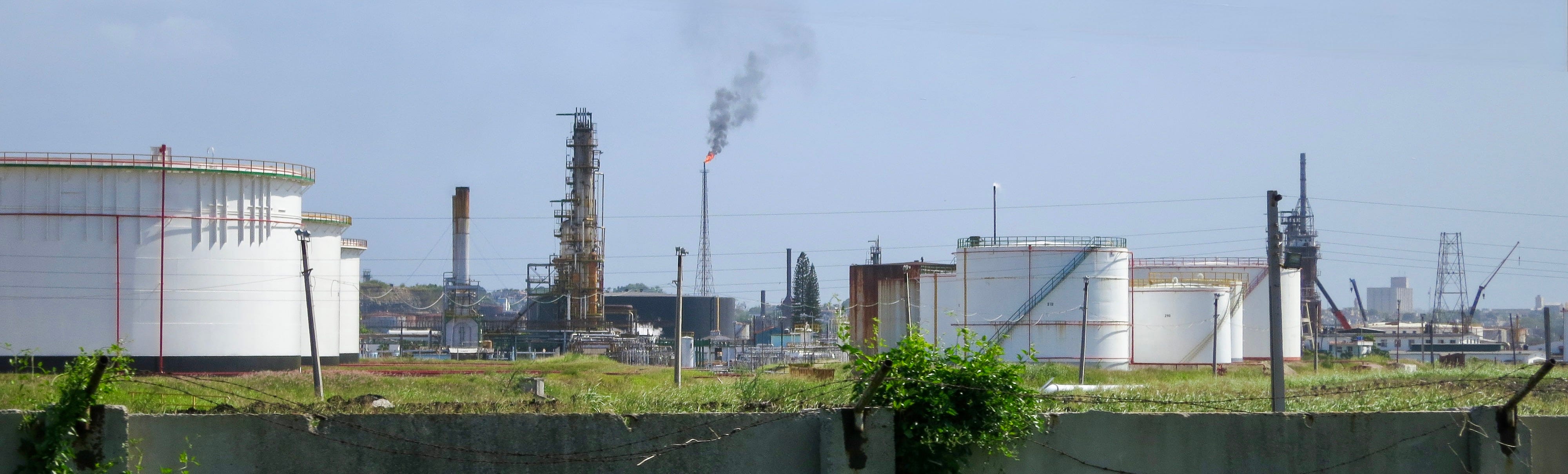
Among the defendants in the Exxon case was CUPET. The Cuban oil company is among the main beneficiaries of the refineries, terminals, and other assets “confiscated” by the Cuban government after 1959. Thus, a company that associates with CUPET would be contracting with a Title III defendant that can no longer claim immunity from suit.
This exposure to Title III-based claims in U.S. courts compounds the existing OFAC sanctions and attaches a specific cost to doing business in Cuba. Specifically, it throws into question the viability of participating not just in the island’s energy sector, but its wider economy altogether, wherever an asset’s title may be in dispute. Investors will now have to compete with a potential nine-figure claim (or more) sitting on the infrastructure and the properties that they would need to use to conduct their petroleum business. Beyond the Exxon precedent from June, the high-profile case of Energas is also affecting Cuba’s energy sector.[17]
Title III applies to “any person” that traffics in “confiscated” property, including through any commercial activity “using or otherwise benefiting from” it. A plaintiff holding a nine-figure claim will therefore look for the defendant whose assets it can reach more easily.[18] In any partnership with a Cuban SOE, any partner can become a potential defendant in U.S. courts. Similarly, a concessionaire drilling a free-from-controversy block will face the same question once its hydrocarbons enter any facilities, refineries, transmission infrastructure, or distribution assets in dispute under Title III.
Havana wants a sanctioned group to have first choice insuring E&P activities
Cuba´s new petroleum framework requires E&P operators to carry commercial property and casualty (P&C) insurance, and it gives national insurers the first option on those policies. In Cuba, insurance is a captive market with only one place to go: the companies under the corporate umbrella of Caudal S.A., Cuba’s insurance monopoly and a non-bank financial holding.[19][20] Specifically, the two insurance companies are ESEN and ESICUBA.
On July 13, the Secretary of State designated Caudal under E.O. 14404, and OFAC added it to the SDN List the same day. ESEN and ESICUBA are not designated themselves. They do not need to be so: both companies provide financial services and they are controlled by Caudal. E.O. 14404 authorizes the designation of any entity owned or controlled by one already designated, which places ESEN and ESICUBA within the sanctions risk perimeter.
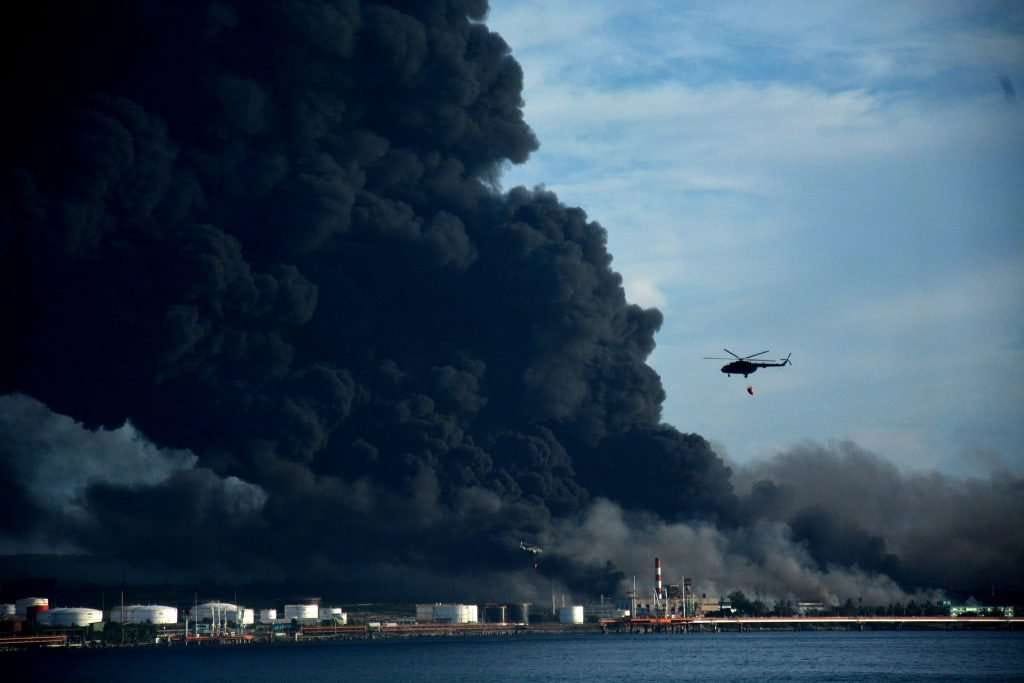
For a petroleum operation, ESICUBA is the relevant carrier. ESICUBA owns the entire commercial P&C book of Cuba, and includes Energas and Sherritt among its main clients.[21] The problem, however, is reinsurance. Insurance carriers never hold the entire risk of massive industrial projects on their own balance sheet; instead, they cede most of that risk to international reinsurers who absorb the tail risk. Re-distribution is what makes large-scale industrial activity insurable in the first place. Thus, any reinsurer that accepts a cession from ESICUBA is taking business from a Cuban company under control of Caudal, a designated group. The reinsurer’s bank, in turn, would take on the correspondent exposure that E.O. 14404 attaches to significant transactions with blocked persons.
In other words, if any petroleum-sector policy goes to ESICUBA, it goes to a carrier that won’t have a point of access to the global reinsurance market. Without it, the risk becomes uninsurable at a cost, and therefore unfinanceable. Now, even if ESICUBA passes on the first choice to insure a petroleum-sector activity and a foreign carrier somehow underwrites the risk, that carrier would be itself operating in Cuba’s financial services sector, and insuring an operator in its energy sector. Both the insurer and the investor would automatically become susceptible to designation under the same provision that listed CUPET.
Havana also wants sanctioned companies to have first choice servicing E&P
The new hydrocarbon framework also gives Cuban enterprises of goods and services a right of first option in servicing E&P companies.[22] Of the several services required to drill a well, the country “only provides two”: CEINPET provides geological services, and EMPERCAP provides drilling and well intervention services.[23] All the other service companies involved in drilling in Cuba are foreign. [24][25]
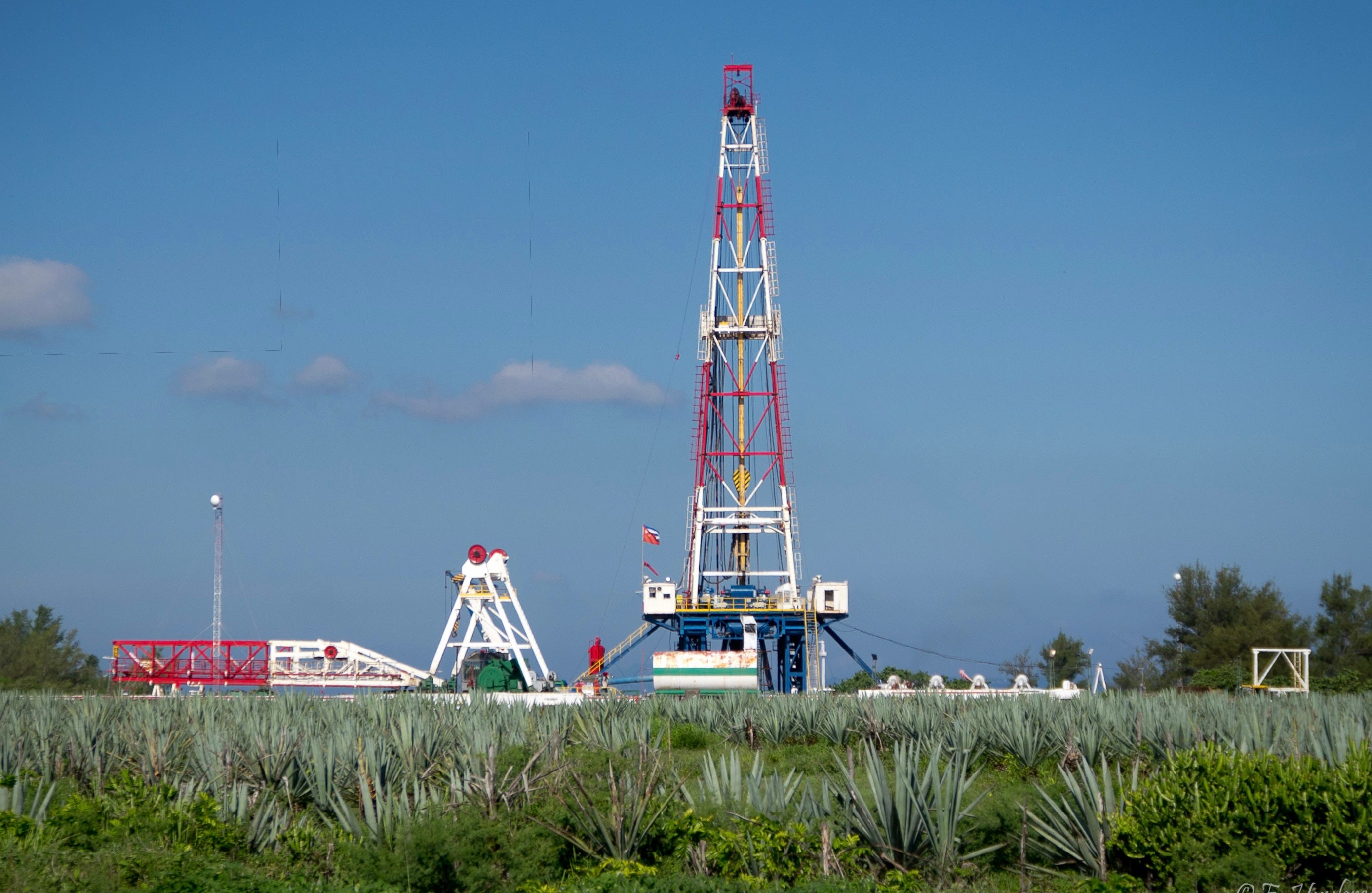
CEINPET is already sanctioned by the U.S., and EMPERCAP is a CUPET enterprise. Additionally, Cuba does not have the number of specialists (including well supervisors) its drilling requires, and the equipment, spare parts, and specialized tools those wells require come in through ABAPET, designated on September 3.
On July 23, the State Department designated CEINPET, calling it “the research and development arm” of CUPET, for operating in the energy sector of the Cuban economy. EMPERCAP is not designated, but it belongs to CUPET and operates in the same sector. A foreign service company filling the gap, regardless of its specialty, will be operating in that sector too. Thus, the sanctions problem repeats itself. Giving Cuban companies first option on E&P services leads to CUPET’s own enterprises, one of them already designated, in a country that lacks the specialists to supervise its own wells. If a foreign company steps in, it will automatically become eligible for designation.
The politics behind it: Havana’s longstanding desire to control its petroleum resources, and planning for “the day after”
The Cuban government has long held hopes to lay claim to and exploit its share of the petroleum riches on the Continental Shelf, out in the Gulf. Since at least 2004, the U.S. Geological Survey (USGS) has estimated that the North Cuba Basin holds billions of barrels of undiscovered oil. Its latest estimate, from 2025, puts the mean at 4.1 billion barrels of undiscovered oil, and a mean of 13.3 trillion cubic feet of undiscovered natural gas.
If these resources were to be confirmed, the North Cuba Basin would become a tier-one oil play, roughly the size of the current estimates for the Bakken (4.3 billion barrels) and the Spraberry (4.2 billion barrels), two prolific formations in the U.S.[26] In global energy terms, any play that crosses the billion-barrel threshold is considered significant, but crossing four billion barrels places it in the upper echelon of major petroleum discoveries. Accordingly, Havana’s paperwork seeking to tap this resource bounty predates its new hydrocarbon framework by seventeen years.
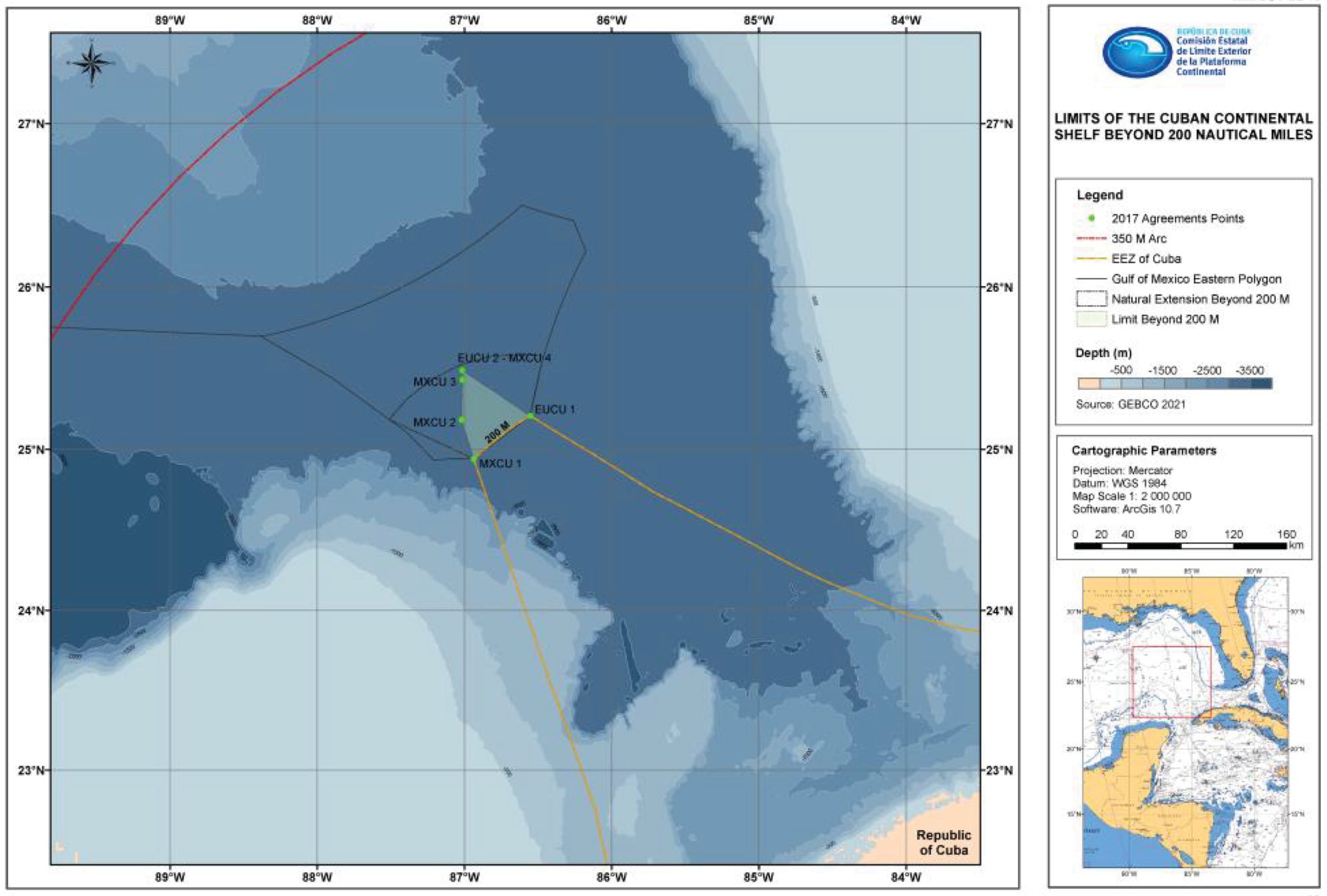
In June 2009, Cuba asked the UN Commission on the Limits of the Continental Shelf to recognize its claim beyond 200 nautical miles in the eastern polygon of the Gulf. During the 2016 negotiations, Mexico’s foreign ministry recorded that the Cuban delegation pushed to divide the polygon’s total area and, when its calculations failed, it unsuccessfully “appealed to political will” to obtain “a larger area.”[27] In January 2017, Cuba signed treaties dividing the eastern polygon with Mexico and with the United States.[28] The UN Commission approved its recommendations on Cuba’s submission on February, 2025.[29] Havana fixed the new outer limit in October 2025, and then deposited the new coordinates with the UN in January and April 2026.[30]
Havana’s intention in rushing out its new hydrocarbon regulations is threefold: (1) a multiyear diplomatic effort to secure a sovereign right to a wealth of energy resources, spanning three countries and a UN body, and involving highly complex doses of commercial interests, geodesic and geophysical studies, public international law, and the law of the sea, cannot go to waste, no matter the adverse circumstances under Washington’s renewed pressure; (2) the partial liberalization lets Havana perform reform without conceding control, on the belief that this U.S. administration will take the appearance of change for actual change; and (3) in not giving up total state control over its petroleum industry, it may be inferred that Havana is still, somehow, planning for a post-Trump scenario where the U.S. may adopt a more conciliatory posture and where the current Cuban leadership, or their preferred successors, are still in charge.[31]
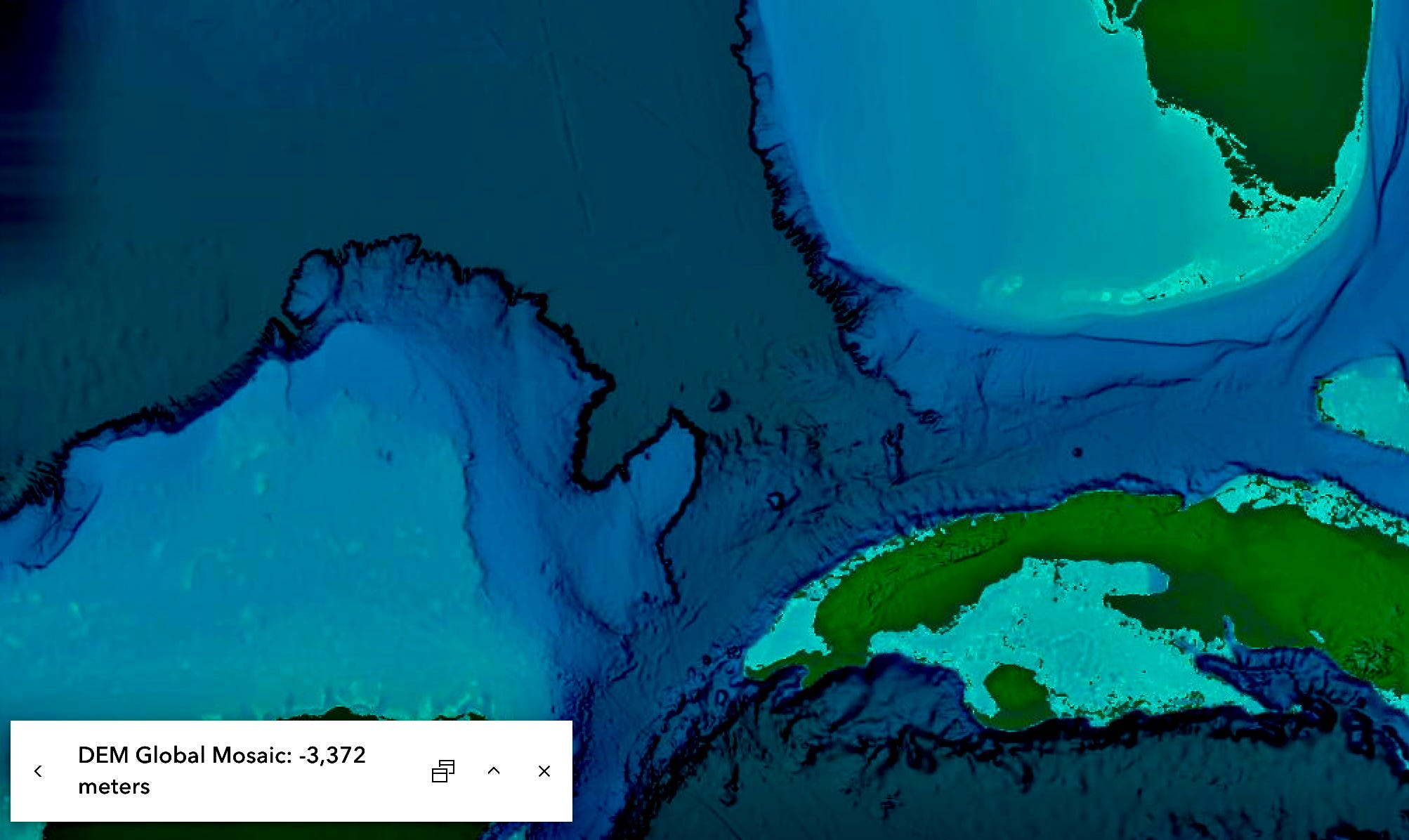
The claim Havana secured, however, sits in the abyssal Gulf, at depths of 3,000 to 3,500 meters.[32] Working at those depths requires fabulous amounts of international capital, human resources, and clear protections guaranteed by a robust legal, fiscal, and investment regime. Cuba has none of the above. The U.S. sanctions keep most of those prospects from materializing in the short term, and paradoxically Cuba itself finishes the job of foreclosing its own chances with the new oil and gas regulations, which restrict competition through first-option clauses for companies that are sanctioned or exposed to sanctions, and lack the resources or professional capacity to do the work. Havana wants money and resources without compromising much authority.[33]
For a true E&P sector to develop in Cuba, the country needs specialized rigs, international reinsurance, and service companies willing to operate in Cuba’s energy sector. The new framework therefore reads as a title deed, filed for the proverbial day when U.S. sanctions lift, with CUPET’s enterprises already first in line. Until then, the oil will stay in the ground, and Cubans will continue to sit in the dark at night, through endless blackouts, starved of energy resources they might be rich in, after all.■
Status: U.S. Sanctions Enforcement and Control Mechanisms — Level 3: Execution Phase.
Status: Cuba’s Reforms Implementation Process — Level 2: Constrained execution.
Status: Cuban Government’s Response Capacity to U.S. Policies — Level 1: Pre-policy.
This brief applies the ST Monitor proprietary classification to interpret specific developments based on their phase of execution, and the above content should be read through that lens. Some plans remain at the level of (1) political signaling without an operational framework; others are (2) constrained within permission-based systems; and others are (3) fully operational and institutionalized:
Level 1 — Pre-policy (no executable framework exists)
Level 2 — Constrained execution (activity exists but is permission-bound)
Level 3 — Execution Phase (system is operational and institutionalized)
REFERENCES LIST
[1] Decreto-Ley 135/2026, De Petróleo y Gas, Gaceta Oficial de La República de Cuba, (2026), https://www.gacetaoficial.gob.cu/sites/default/files/goc-2026-o85_0.pdf [hereinafter DL135-2026] (noting that it recognizes four contract forms for exploration and production in art. 21: [1] the “production-sharing” contract [producción compartida], [2] the “petroleum concession” [concesión petrolera], [3] the “petroleum services” contract [servicios petroleros], and [4] “other forms of association provided for in the Cuban legal system.” Likewise, in art. 24, the new regulation leaves petroleum activities “other than the exploration and exploitation of oil and gas fields”, including refining, transport, and sale to “the forms of participation and the enabling titles provided for in the Cuban legal system for each specific activity”. Furthermore, art. 53 opens up refining activities to association “with natural and legal persons, domestic or foreign.”).
[2] Decreto No. 184 de 2026, Reglamento Del Decreto-Ley 135 “De Petróleo y Gas”, Gaceta Oficial de La República de Cuba, (2026), https://www.gacetaoficial.gob.cu/sites/default/files/goc-2026-o85_0.pdf [hereinafter D184-2026] (where art. 12.1 grants natural and legal persons, “domestic or foreign,” rights to participate in exploration and production “in association with” the state entities of art. 11, which are the subjects of art. 25 of Decree-Law 135 [supra note 1]. Likewise art. 13.1, D184, allows for national legal and natural persons “different from those” covered by art. 11, D184, to take part “by themselves” under the “petroleum concession” [art. 30, DL135], as “micro, small, and medium-sized enterprises, private enterprises with more than one hundred [100] workers, and non-agricultural cooperatives.” In addition, under art. 14, D184, foreign persons participating “by themselves” are governed by “the provisions established for the modalities of foreign investment.” Finally, art. 55.1 formalizes the concession between the State and “a domestic or foreign legal person.”).
[3] Acuerdo, Consejo de Ministros, 197 (1992), https://www.gacetaoficial.gob.cu/es/gaceta-oficial-no015-ordinaria-de-1992, (authorizing CUBAPETROLEO [“CUPET”] to associate with Total Exploration Cuba and Compagnie Européenne des Pétroles through a “production participation agreement” covering “Block 9”, an area of about 2,900 km2 north of Matanzas and Villa Clara provinces.).
[4] The legislation also lists the “petroleum services” contract and “other forms of association.” Neither is a separate route to E&P rights. The services contract pays for “specialized work” in exploration and exploitation but confers no share of the hydrocarbons. The “other forms of association,” left undefined, still require association with the state entities.
[5] supra note 2, Arts. 11, 12.1, 33.1, (tying up association to subjects covered in Art. 25 in DL135).
[6] supra note 1, Arts. 27.1, 25.1, 25.2.
[7] Unión Cuba-Petróleo (CUPET) was formed on March 25, 1992, through the merger of the Unión de Exploración, Perforación y Extracción del Petróleo, which handled upstream operations, and the Unión del Combustible, which handled downstream operations. It is a vertically integrated oil company and the institutional successor of the original Instituto Cubano del Petróleo (ICP), Cuba’s first state-owned oil company after 1959. On June 11, 2026, the U.S. Secretary of State designated CUPET under E.O. 14404, for “operating or having operated in the energy sector of the Cuban economy”, and OFAC added it to the SDN List on the same day. CUPET operates as a state business group under the Ministry of Energy and Mines (MINEM), and its E&P work is carried out by its subordinate enterprises, EPEP Occidente and EPEP Centro.
[8] Resolución No. 71 de 1998, Ministerio Del Comercio Exterior (MINCEX), (1999), https://www.gacetaoficial.gob.cu/sites/default/files/go_o_025_1999.pdf, (as far back as 1999, Comercial CUPET was granted an import authorization for petroleum industry inputs and parts by the Cuban Ministry of Foreign Trade [MINCEX].).
[9] Resolución No. 189 Del 2000, Ministerio Del Comercio Exterior (MINCEX), (2000), https://www.gacetaoficial.gob.cu/sites/default/files/go_o_033_2000.pdf, (as far back as 2000, ABAPET was granted an import authorization for petroleum industry inputs and parts by the Cuban Ministry of Foreign Trade [MINCEX].).
[10] Resolución 452/99, (1999), https://www.gacetaoficial.gob.cu/sites/default/files/go_o_072_1999.pdf, (Energas S.A. was approved as a joint venture in 1997 for a twenty-year term, since extended to 2043. Sherritt holds one-third of Energas, and CUPET and Unión Eléctrica [UNE] —another Cuban SOE— hold the remaining two-thirds in equal shares. The shares’ distribution of this partnership has remained the same since inception.).
[11] supra note 2, Arts. 55.1, 55.2.
[12] supra note 1, Arts. 30.1, 30.2.
[13] Id., Art. 23.4, (notice that the Cuban government can deny award of this or any title to E&P based on “national security reasons.”) .
[14] supra note 2, arts. 59.7, 185.2, (it should be noted that a concession agreement does not allow the concessionaire to dispose of the petroleum products freely. The Cuban government holds a priority right to buy the hydrocarbons, and exports require government authorization.).
[15] supra note 1, art. 63; see also supra note 14 (on the export authorization).
[16] See supra note 7 (identifying EPEP Occidente and EPEP Centro as the CUPET enterprises that carry out its E&P work).
[17] On July 29, Florida-based Cuban Electric Company (CEC) filed a Title III lawsuit against Unión Eléctrica (UNE) and Energas S.A., two Cuban state-owned companies (SOE). UNE is Cuba’s electric utility SOE, and the main beneficiary of CEC’s confiscated property in Cuba. CEC owned and operated a “substantial portion” of Cuba’s electric power generation and transmission infrastructure, and supplied “more than 90%” of Cuba’s electricity. Energas also engages in power generation, as well as gas-processing operations. CEC argues that Energas’ activities “depend upon” and are “physically integrated” with facilities, transmission infrastructure, and gas-distribution assets “confiscated from CEC.” For its part, CEC holds a certified claim of $267,568,413.62, running at 6 percent annual interest rate since August 6, 1960. The Florida company is seeking treble damages under Helms-Burton.
[18] Exxon Mobil Corp. v. Corporación CIMEX, S. A. (Cuba), et al. (U.S. Supreme Court 2026), pp.20-21 & n.5, (the U.S. Supreme Court treated “execution and jurisdictional immunity” as “separate concepts,” and ruled only on the latter. A judgment against a Cuban SOE may therefore be difficult to enforce in practice. Non-Cuban-State partners held liable under Title III for “trafficking” in “confiscated” property have no such immunity, and would then be more vulnerable to collection.).
[19] Seguro Agrícola En Cuba, Hoy En La Mesa Redonda, Mesa Redonda (2022), (Fermín Mesa, Caudal Group’s first Vice President stated on national television in 2022 that the group consists of “eight non-bank financial companies”, with two of them being “insurance companies”, the “National Insurance Company [ESEN], and “ESICUBA”.).
[20] See also Resolución No. 153/2018, https://www.gacetaoficial.gob.cu/sites/default/files/goc-2018-ex56.pdf, (describing the country’s insurance entities as “integrated into the higher organization for business management Cuba Insurance and Financial Services Group S.A. [Grupo CAUDAL S.A.]”).
[21] Hoy En La Mesa Redonda Grupo CAUDAL: El Seguro En Cuba (Parte I), Mesa Redonda (2024), (Draisi Ramírez Blanco, the CEO of ESICUBA stated on national television in 2024 that ESICUBA’s mission is to “insure Cuba’s state-owned assets” and also to insure “foreign investors coming to Cuba”. She discussed ESICUBA’s line of products, including for “oil & gas operations”, which covers “all companies” engaged in oil & gas drilling activities “whether offshore or onshore”, giving coverage to the “whole process”, from “exploration, to development […] to production.”).
[22] supra note 1, art. 110.
[23] Yoan Céspedes Williams & Dariel Costa Báez, Termination and Testing Module for the Integral System of Petroleum Well Drilling Phase II, 11 Ser. Científica Univ. Las Cienc. Informáticas (2018), p. 26, (discussing that a well in Cuba requires directional, mud, contract drilling, logging, and geology services.).
[24] Id.
[25] For instance, in 2021, Australia’s Melbana Energy contracted “a subsidiary of Sherritt International” to drill the two exploration wells (Alameda-1 and Zapato-1) for onshore Block 9, in Matanzas province, which Melbana operates. Its project office in Cuba sat “adjacent to Sherritt’s operations base in Varadero.” For its part, Sherritt disclosed in 2026 that it was “not currently producing or exploring for oil and gas” in Cuba, and that its (oil and gas) results came from “ancillary drilling services, provided to a customer and agencies of the Cuban government,” under a March 2021 contract with “a third party” to drill exploration wells in Cuba, amended through 2025. On May 15, 2026, after E.O. 14404, Sherritt announced it would surrender its Cuban production-sharing contracts and its “drilling services contract.”
[26] The comparison flatters Cuba, however. The Bakken and Spraberry are producing formations, whereas in Cuba, by the U.S. Geological Survey’s own account, little exploration has occurred in the foreland basin and none in the platform margin carbonates.
[27] Secretaría de Relaciones Exteriores de México, Tratados de Delimitación de La Plataforma Continental En El Polígono Oriental Del Golfo de México. Memoria Documental, https://www.gob.mx/cms/uploads/attachment/file/426907/MD_Tratados_delimitaci_n_Golfo_de_M_xico.pdf, pp. 21-22, (in the September 2016 round, the Cuban delegation “did not present coordinates, and leaned toward dividing the total area of the Eastern Polygon,” an approach Mexico and the United States rejected. In its talks with Washington, Cuba proposed measuring equidistance “from the outer limits of the exclusive economic zone of each State” rather than from the coastal baselines all three had agreed to use. When Mexico showed that Cuba had used a different method, the delegation suspended the talks to consult Havana and “appealed to political will to resolve the disagreement in its favor in order to obtain a larger area.” In the December 2016 round, Cuba “recognized the accuracy of the calculations as well as the coordinates presented by the Mexican side.”).
[28] The treaty with Mexico is in force, and the treaty with the U.S. remains provisional and requires a still pending Senate vote before it can enter into force. The United States and Cuba signed the treaty on January 18, 2017, and agreed the same day, by exchange of diplomatic notes, to apply it provisionally “for a three-year period,” renewed automatically “for successive three-year periods” unless either party gives written notice at least two months before a period ends. Entry into force requires the advice and consent of two-thirds of the Senate. The treaty was not transmitted to the Senate until December 18, 2023, and has since remained before the Committee on Foreign Relations.
[29] Commission on the Limits of the Continental Shelf, Summary of Recommendations of the Commission on the Limits of the Continental Shelf in Regard to the Submission Made by the Republic of Cuba in Respect of the Eastern Polygon in the Gulf of Mexico on 1 June 2009 and Amended on 15 February 2024, (2025), https://www.un.org/depts/los/clcs_new/submissions_files/cub51_09/CubSumRec.pdf, ¶¶ 1, 20.
[30] See generally UN Commission on the Limits of the Continental Shelf, Commission on Limits of Continental Shelf Concludes (SEA/2253), (2026), https://press.un.org/en/2026/sea2253.doc.htm, (discussing that in August, 2026 the Commission approved Mexico’s recommendations for the same polygon.).
[31] supra note 1, arts. 24, 53, 63, (the reform also answers a more immediate need: amid chronic fuel shortages and blackouts, Cuba opens refining, transport, and sale of petroleum products to private and foreign participation. However, the downstream opening meets the same walls as the upstream one. All refineries in Cuba either belong to CUPET or to ventures where the company has a stake, two of them are property considered “confiscated” from U.S. companies, and fuel imports still require state authorization.).
[32] Commission on the Limits of the Continental Shelf, supra note 29, ¶ 33, (describing the area as “located at the abyssal zone” of the Gulf, with depths “from 3,000 m to 3,500 m”).
[33] See generally Marcus Oliver Golding Albrecht, Foreign Petroleum Companies and National Development in Venezuela, 1936–1976(2026); Ellen R. Wald, Saudi, Inc.: The Arabian Kingdom’s Pursuit of Profit and Power (2018), (if history is any guide, countries that have [or have had] a successful petroleum industry did not raise it from the ground themselves, nor did they shield their own companies from foreign competition. For instance, Venezuela and Saudi Arabia let foreign companies develop their fields and train a managerial and professional class that did not previously exist. Success came over decades, as autochthonous talent rose into positions of power and governments savvily renegotiated their concessions and royalties.).
What to read next:


See The Southern Trade on Google
Want The Southern Trade analysis at the top of your feed? You can tell Google to prioritize this source by clicking on the button below.


© 2026 Manuel Reyes, The Southern Trade Group™. All rights reserved. Content may not be reproduced without permission.
Legal and Investment Disclaimer
This brief is provided for informational and educational purposes only. Although it discusses legal frameworks, regulatory structures, and investment-related considerations, it does not constitute legal advice, tax advice, financial advice, or investment advice of any kind.
Nothing in this article is intended to create, and receipt of it does not constitute, an attorney-client relationship, advisory relationship, or any other form of professional engagement between the author and the reader. The content reflects a general overview and may not address specific facts, circumstances, or applicable laws relevant to any particular situation.
Readers should not act or refrain from acting based on any information contained herein without seeking independent advice from qualified legal, tax, and financial professionals licensed in the relevant jurisdictions.
This document does not constitute an offer to sell, a solicitation of an offer to buy, or a recommendation to purchase, sell, or otherwise trade any securities, financial instruments, or assets. Any references to investment structures, jurisdictions, or regulatory regimes are illustrative only and should not be interpreted as endorsements or recommendations.
The author makes no representations or warranties, express or implied, regarding the accuracy, completeness, or timeliness of the information contained herein. Laws, regulations, and policies may change, and their application can vary widely based on specific circumstances.
To the fullest extent permitted by law, the author disclaim any liability for any loss or damage arising directly or indirectly from reliance on this document or its contents.